
Coordinated teamwork delivers electrification upgrades at Lindhurst Apartments
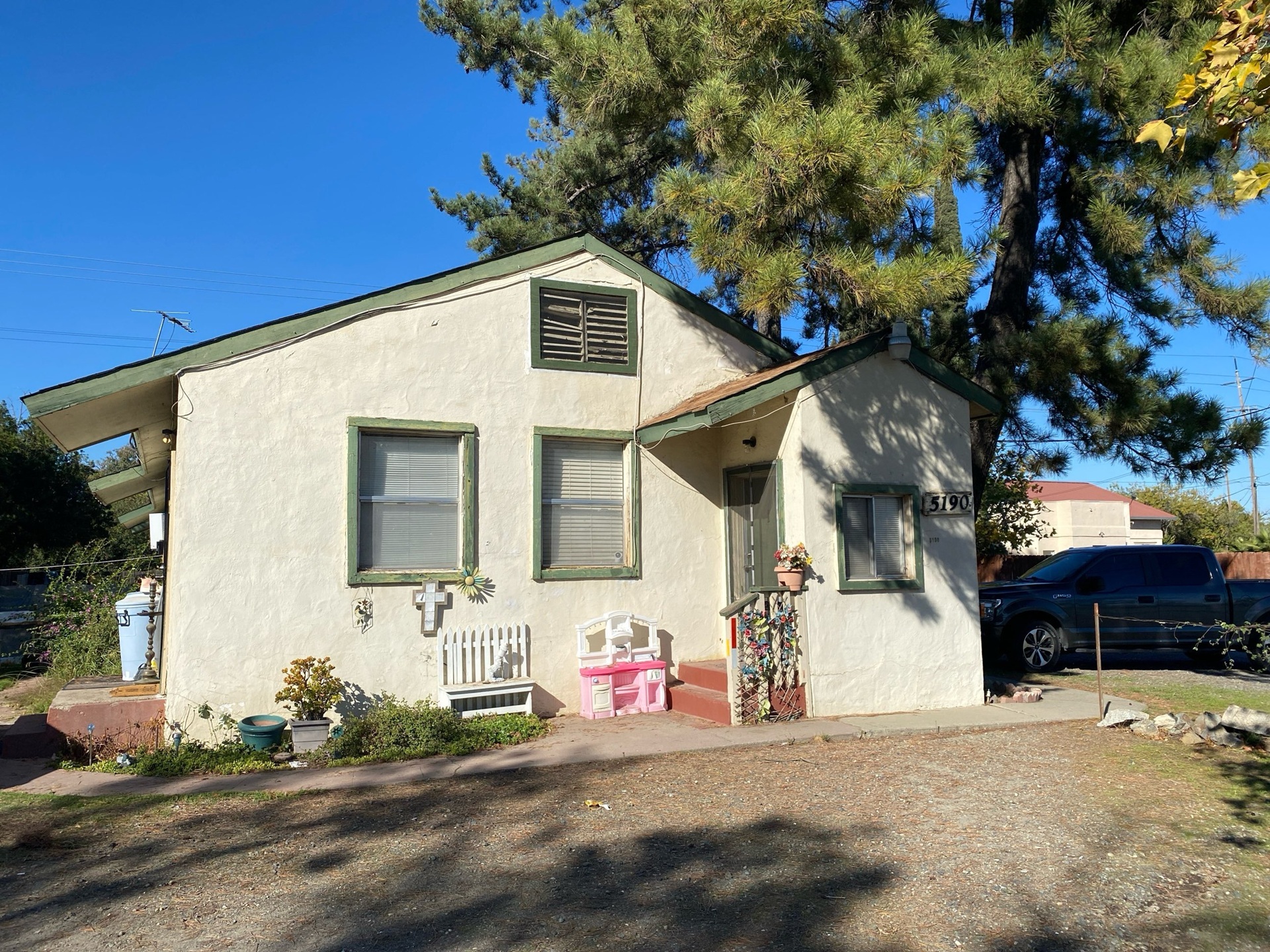
Lindhurst Apartments is a small eight-unit property in Marysville, California, built in 1955. The one-story multifamily building houses older adults, tenants with disabilities, and income-qualified residents.
As its systems aged, Lindhurst property owner Karin Cruz knew improvements were needed. For example, window air conditioning units weren’t very effective, units needed additional electric space heaters, and residents had to wait for hot water. Cruz had two goals: Eliminate gas altogether by transitioning the property to all-electric heating and hot water systems to improve residents’ comfort, all the while saving energy.
However, like many owners of small, non-deed restricted properties with limited funds, Cruz found that costs made electric upgrades seem out of reach. One reason? Non-deed restricted properties don’t have legal documentation reserving some or all of the property as affordable housing, meaning fewer viable funding sources are available to them for upgrades.
For owners like Cruz, who are operating on tight margins, even modest out-of-pocket upgrades simply aren’t possible.
Cruz had applied for other programs in the past, one promising program fell through because it didn’t recognize non-deed restricted properties. The other program left her and her tenants unsatisfied, leaving her hesitant to re-engage in additional programs. However, in 2023 after regular email contact with a lead at the Association of Energy Affordability (AEA), she connected with Multifamily Energy Savings to see what options might be available.
Project Details
“This project would not have been born without AEA staying in contact with me and taking me on as a TECH Clean California pilot project,” Cruz said.
The estimated energy savings are equivalent to taking 7 gasoline-powered passenger vehicles off the road for one year.
Rebuilding trust while identifying upgrade opportunities
Anna Jacobson Eckert, energy advisor and Sean Jones, field lead at Multifamily Energy Savings, along with Sebastian Cohn from AEA, worked closely with Cruz to evaluate opportunities and assess what could be done at the property.
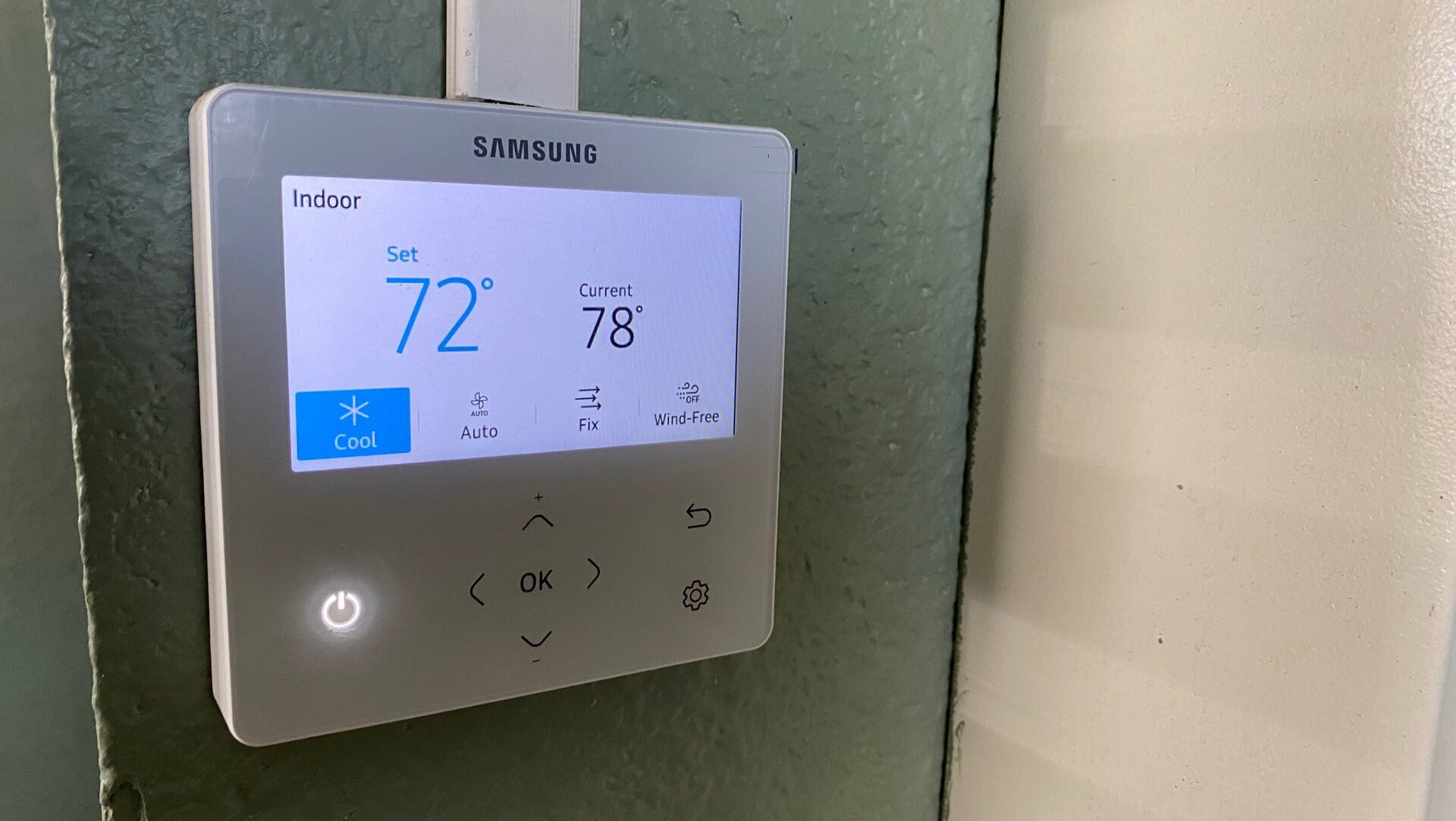
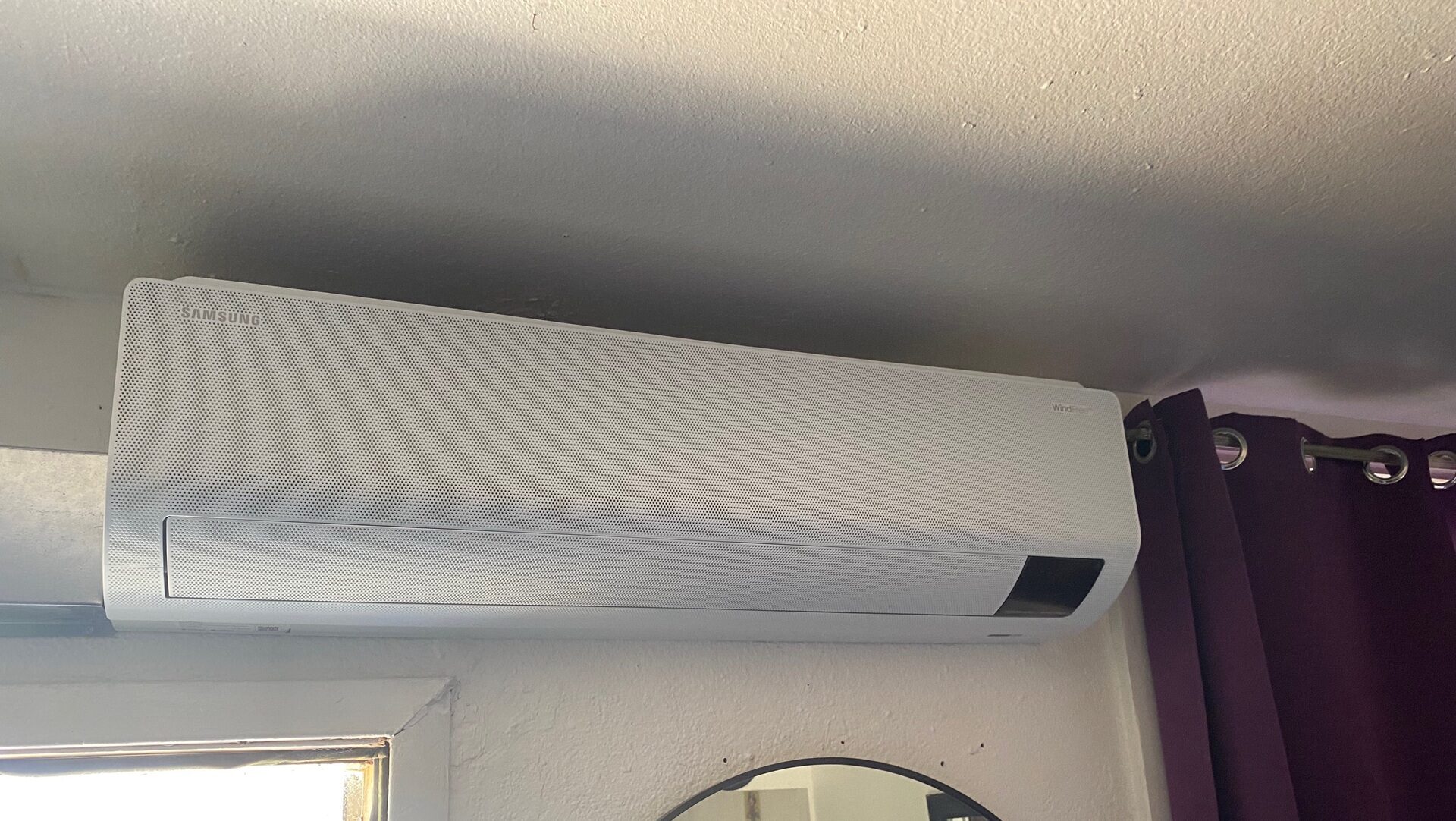
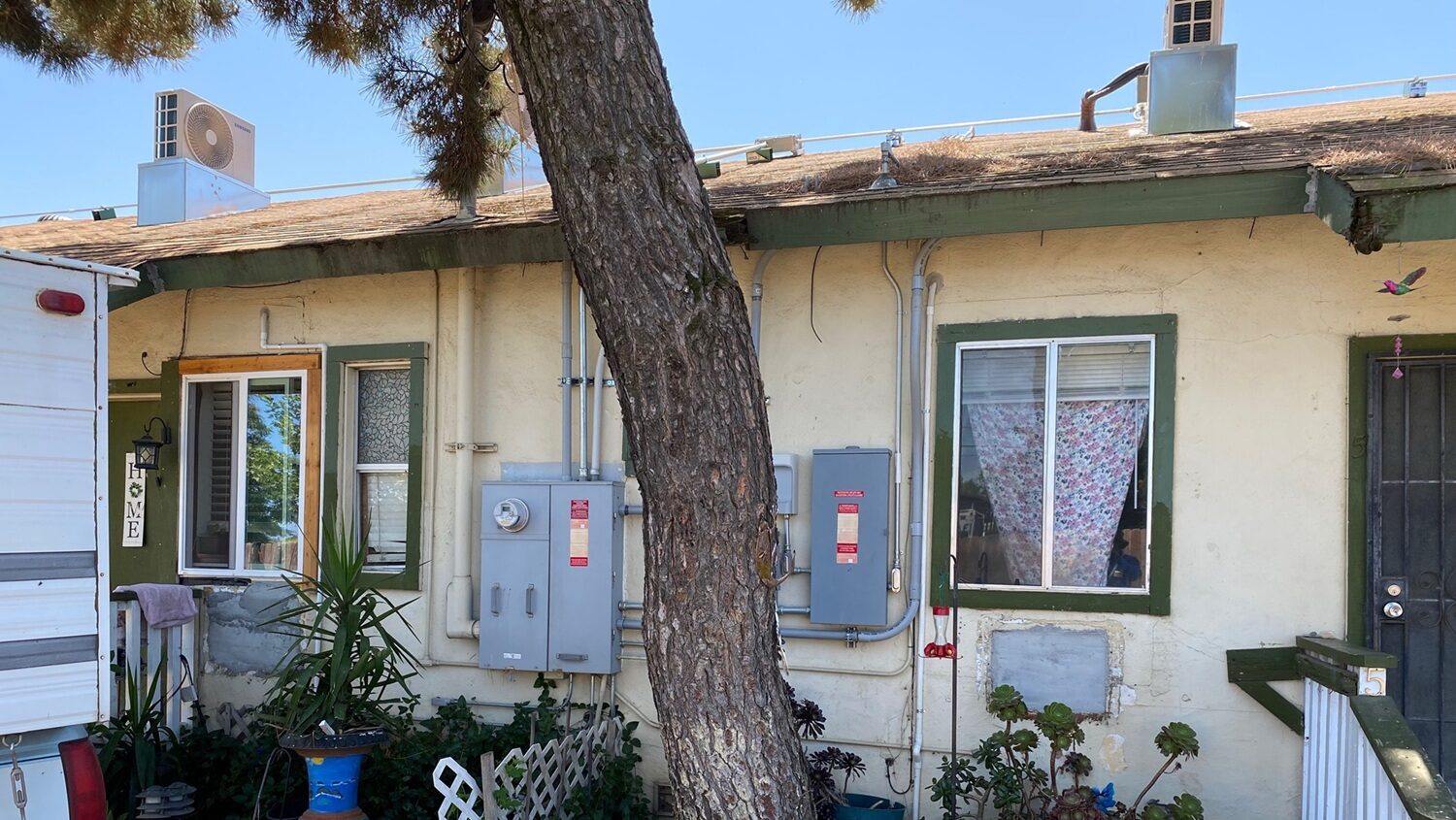
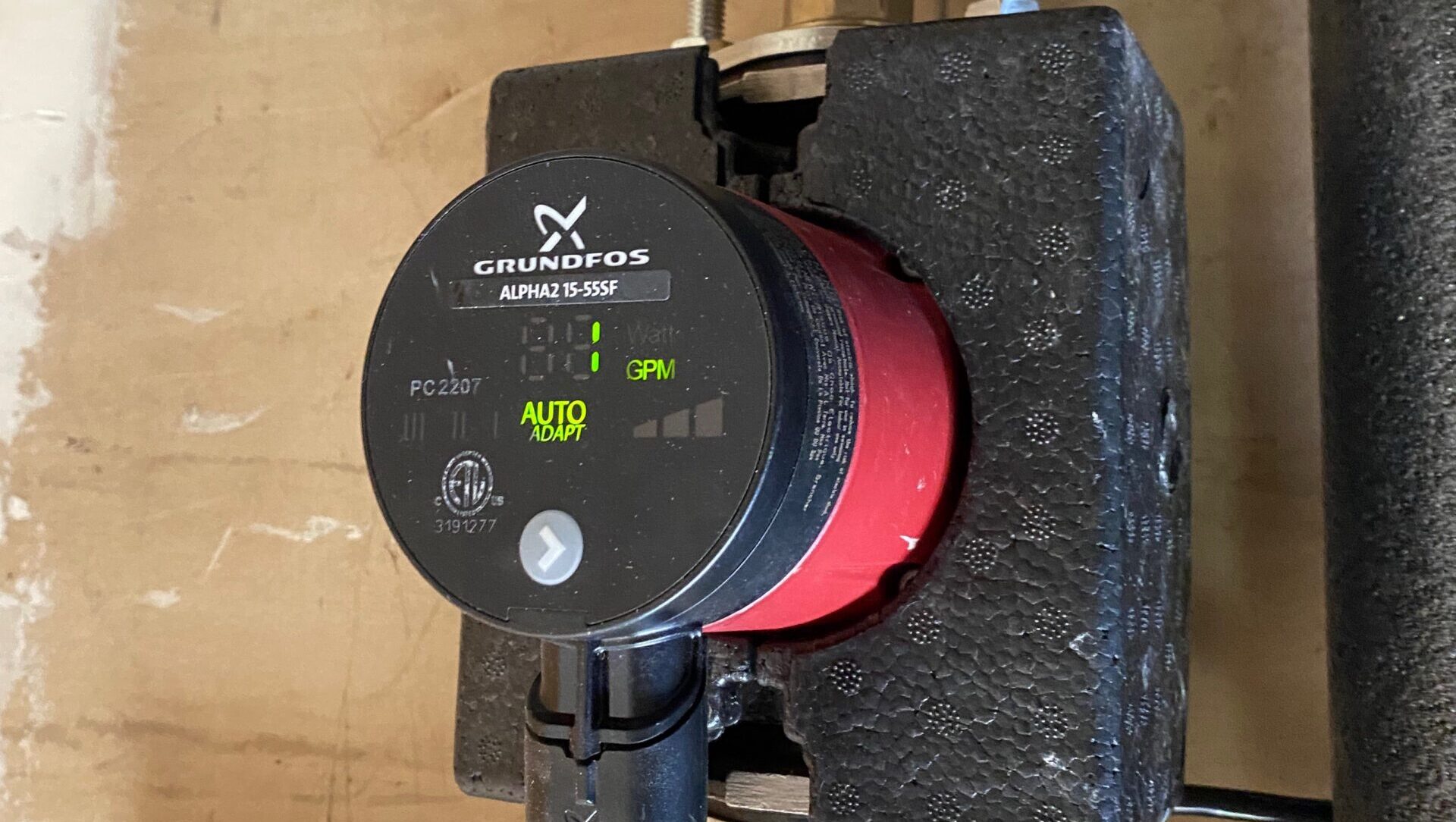
Collectively, the programs put together a project scope that included the installation of electric high-efficiency heat pump water heaters serving the common-area laundry room and installation of high-efficiency electric ductless mini-split heat pump systems.
“If property managers enroll in these programs, especially for low-income populations, they can lower these energy burdens even in just little ways.”
— Anna Jacobson Eckert,
Associate Project Manager, Multifamily Energy Savings
Combined, these upgrades modernized aging equipment, improved resident comfort, and reduced energy use. However, the incentives from both programs would be needed to cover the cost of the work. Enter program layering.
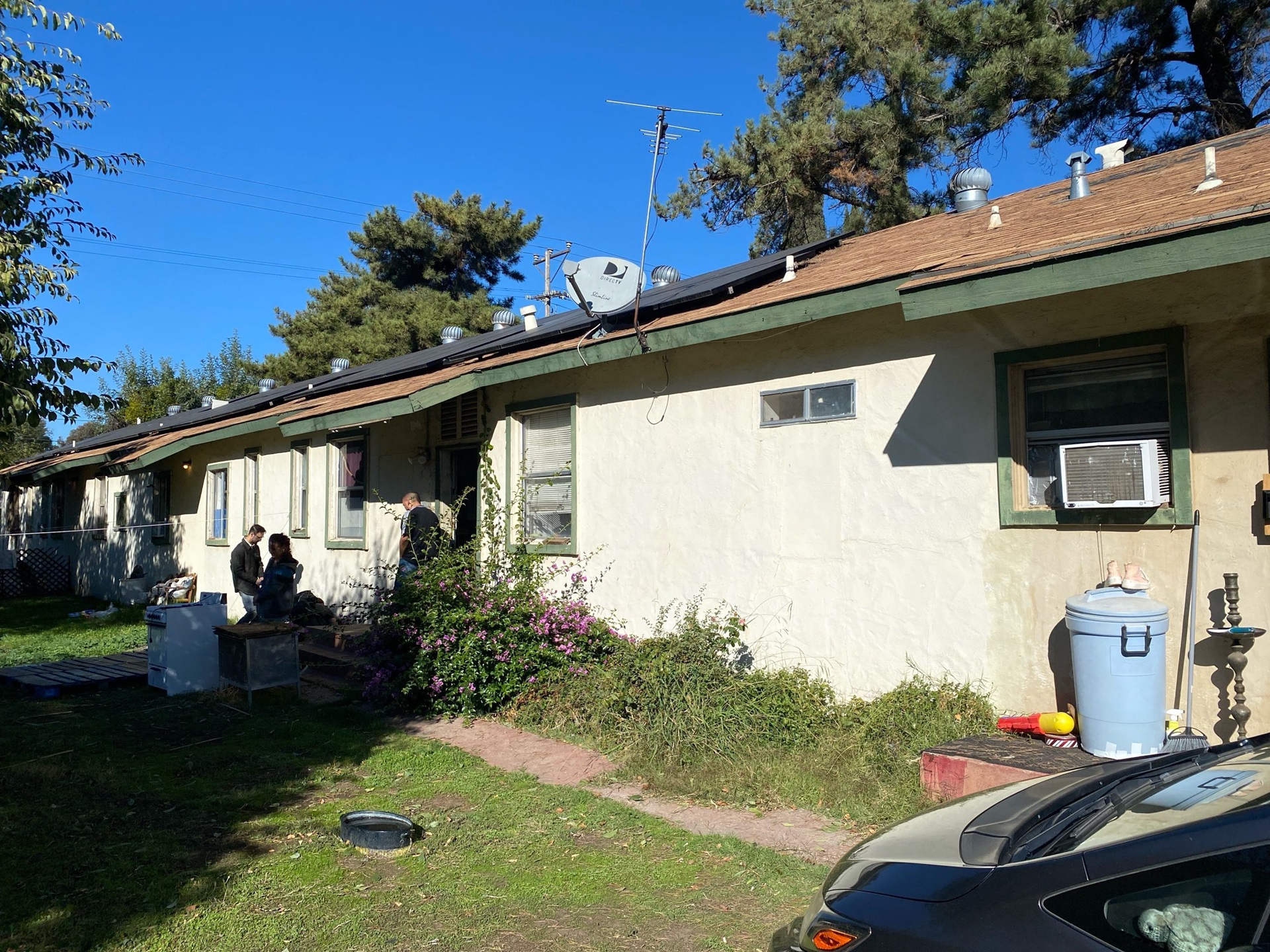
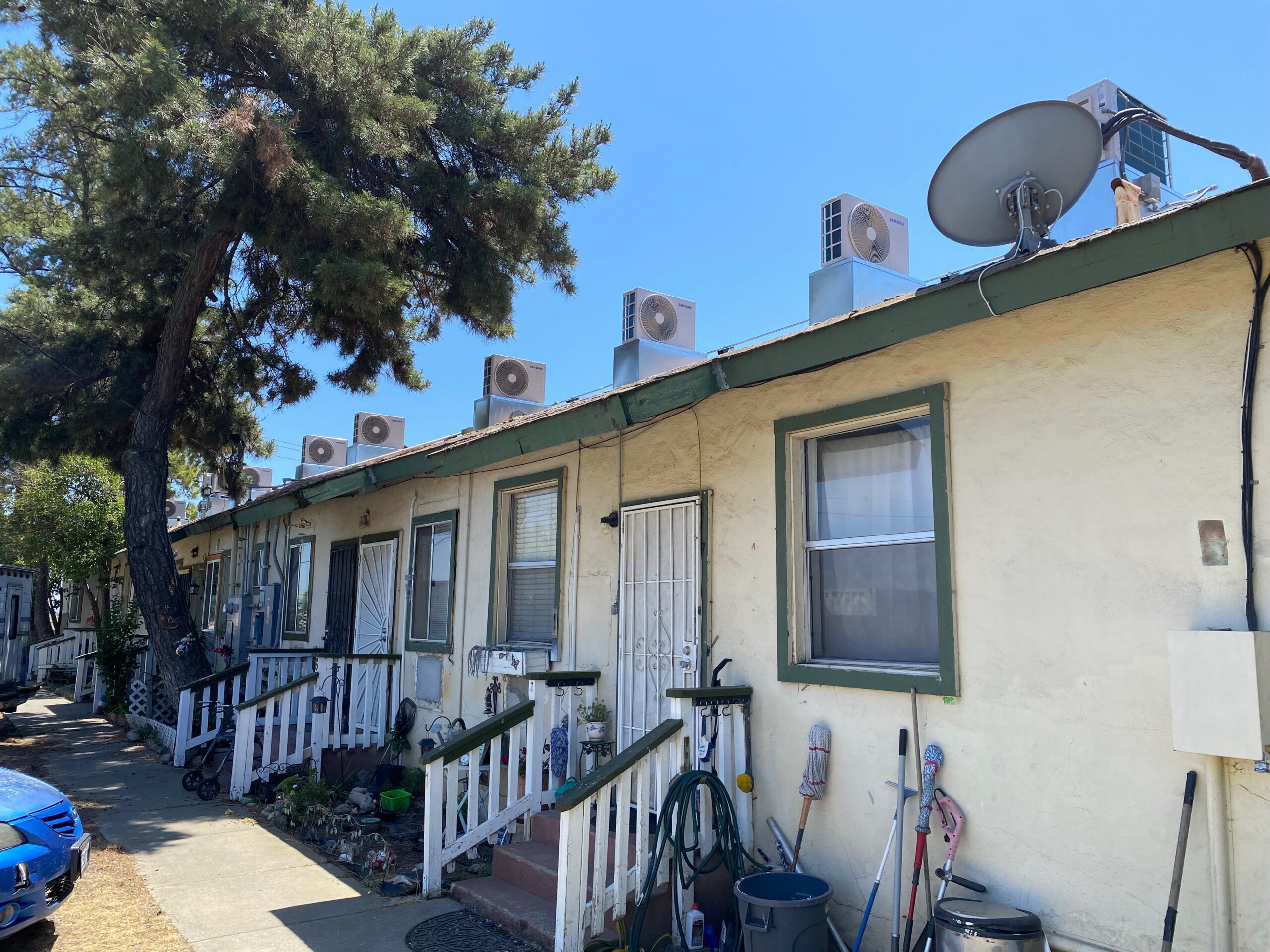
Before & After: High-Efficiency Mini-Split Heat Pumps
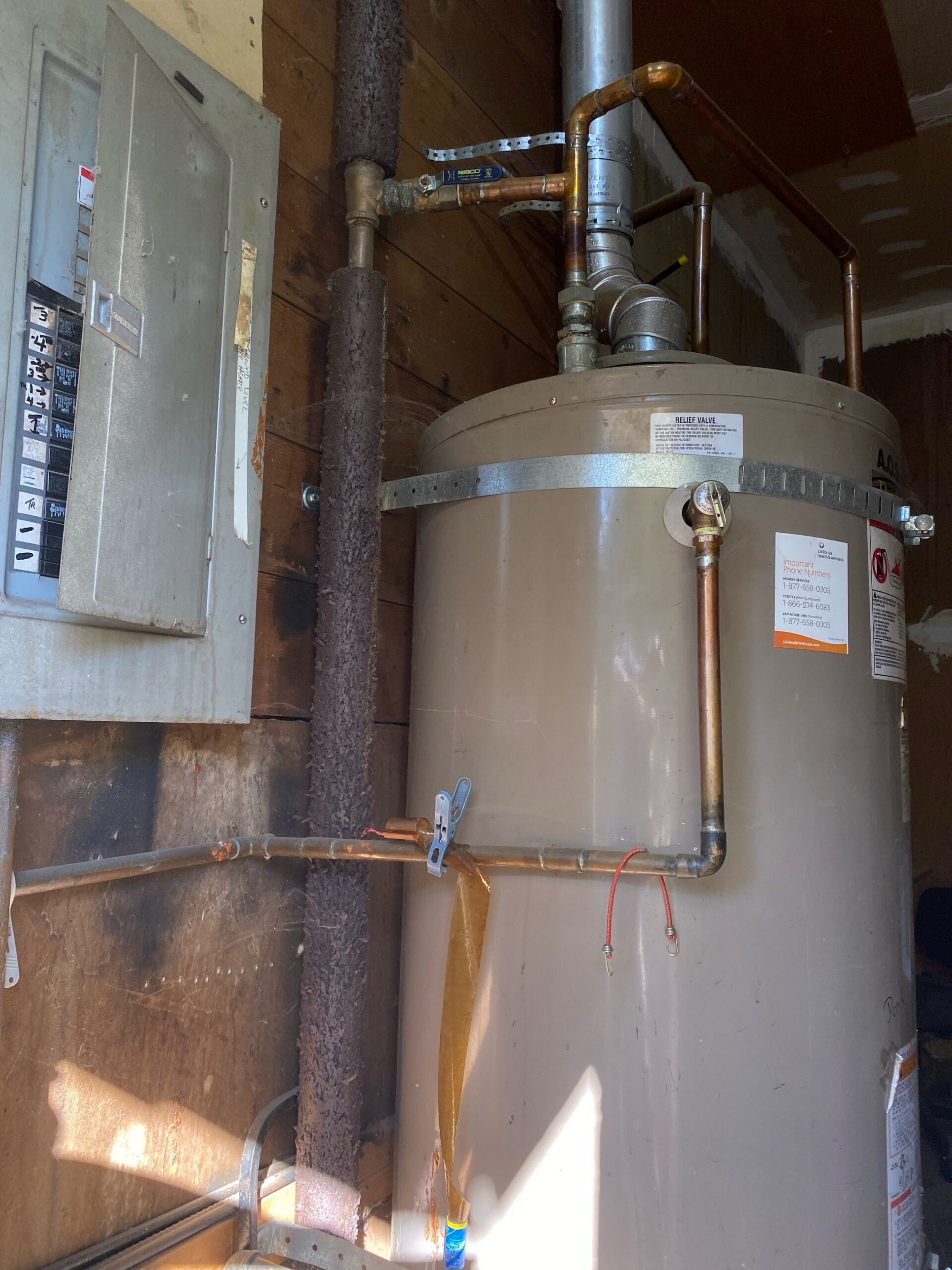
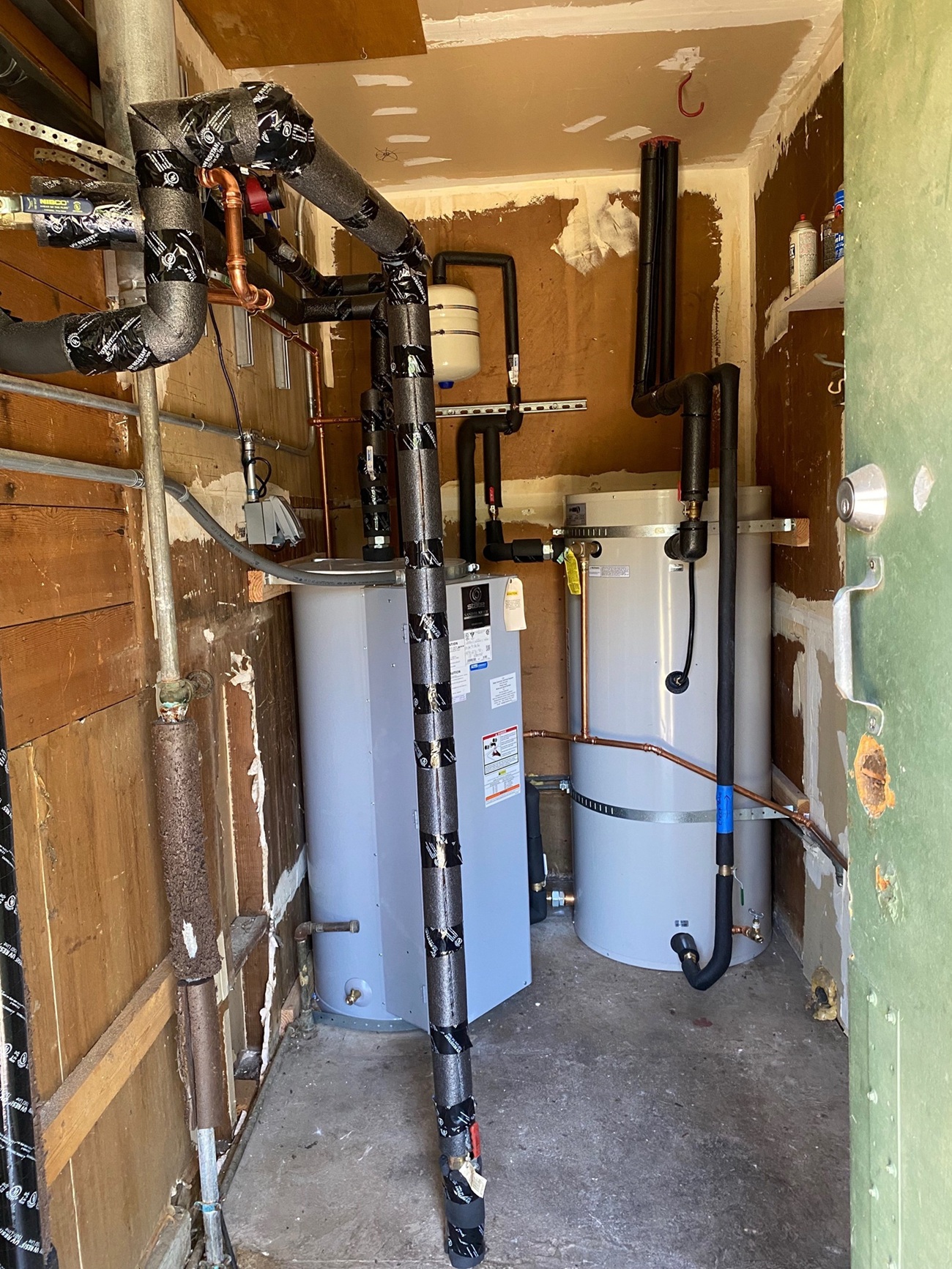
Before & After: Heat Pump Water Heater
Using program layering for full electrification
Program layering allows building owners of affordable multifamily properties in California to combine incentives from more than one program to benefit the same property or project and reduce the cost of large-scale equipment upgrades.
By combining Multifamily Energy Savings and AEA’s TECH Clean California, project costs were covered in full.
TECH Clean California provided incentives for a central heat pump water heater and recirculation system, a mini split heat pump HVAC in each unit, removal of ancient gas wall furnaces, and electrical circuits to support electrifying the gas stoves.
“This project would not have happened without program layering and the supporting staff from Multifamily Energy Savings and AEA.”
— Karin Cruz
Property Owner, Lindhurst Apartments
These improvements removed gas from apartments, improving air quality for residents, in addition to improving residents’ comfort during hot summer months. They also transitioned water heating to electric to improve efficiency, giving the potential for shifting loads from peak usage times, and taking advantage of existing solar PV. These improvements ultimately solved the problem of long wait times for hot water.
“This project was dependent on program layering covering 100% of the project cost and assistance from other partners like TECH Clean California,” said Jacobson Eckert. “We had to find the lowest possible bids for this project to become a reality.”
Cruz ads, “This project would not have happened without program layering and the supporting staff from Multifamily Energy Savings and AEA.”
For smaller properties like Lindhurst, this type of layered funding can also be the difference between postponing improvements indefinitely and completing upgrades.
All told, incentives provided through Multifamily Energy Savings and TECH Clean California funded the entire total project cost, which exceeded $106,000, removing the financial barrier and allowing the upgrades to move forward.
Program layering is more than just ‘funding’
Cruz had set out to modernize heating and water systems and move Lindhurst toward electrification. However, the project quickly became more complex than initially anticipated, and the team responded.
“There were so many things that came up during construction,” said Jacobson Eckert. “Weather delayed construction for months. There was a sewer issue that came to our attention, and I was calling the authorities and seeing if they could do sewage abatement inspections.”

Beyond the incentives and upgrades, throughout the project, the Multifamily Energy Savings team provided hands-on technical support, including:
This level of engagement as well as the coordinated technical assistance by all partners helped Cruz manage a long and complicated construction process.
Energy savings and improved comfort for residents and owner
For residents, the electrical upgrades meant improved comfort and more reliable heating and cooling. For Cruz, the improvements upgraded building systems without creating more financial strain.
“I’m grateful for the program and its partners stepping in and providing incentives. My tenants are really benefiting from electrical upgrades,” said Cruz.
Energy efficiency is more than a utility bill issue, too, and can have very real housing stability impacts.
“Anything that owners can do to save energy is empowering their tenants because some are living in older buildings that face a higher energy burden,” said Jacobson Eckert. “If property managers enroll in these programs, especially for income-qualified communities, they can lower these energy burdens even in just little ways.”
Smaller, non-deed restricted buildings can get support for upgrades
Lindhurst Apartments demonstrates that even smaller affordable and senior housing properties with limited funds can complete energy upgrades.
With program layering, dedicated technical assistance and support, coordinated teamwork and incentives, and upgrades like electric heat pump water heaters and ductless mini-splits, owners like Cruz can move the energy savings needle, from concept to completion.
“There’s support out there, like the incentives we received, to help property owners not only upgrade but also offer their tenants more comfort and more savings on the utility bills. Determination and the will not to give up made it all worth it at the end,” she added.


Own or manage a multifamily property and unsure how to fund energy upgrades? Multifamily Energy Savings offers incentives and no-cost technical assistance, including support for non–deed restricted properties through program layering. Submit an interest form to learn how your property may qualify.